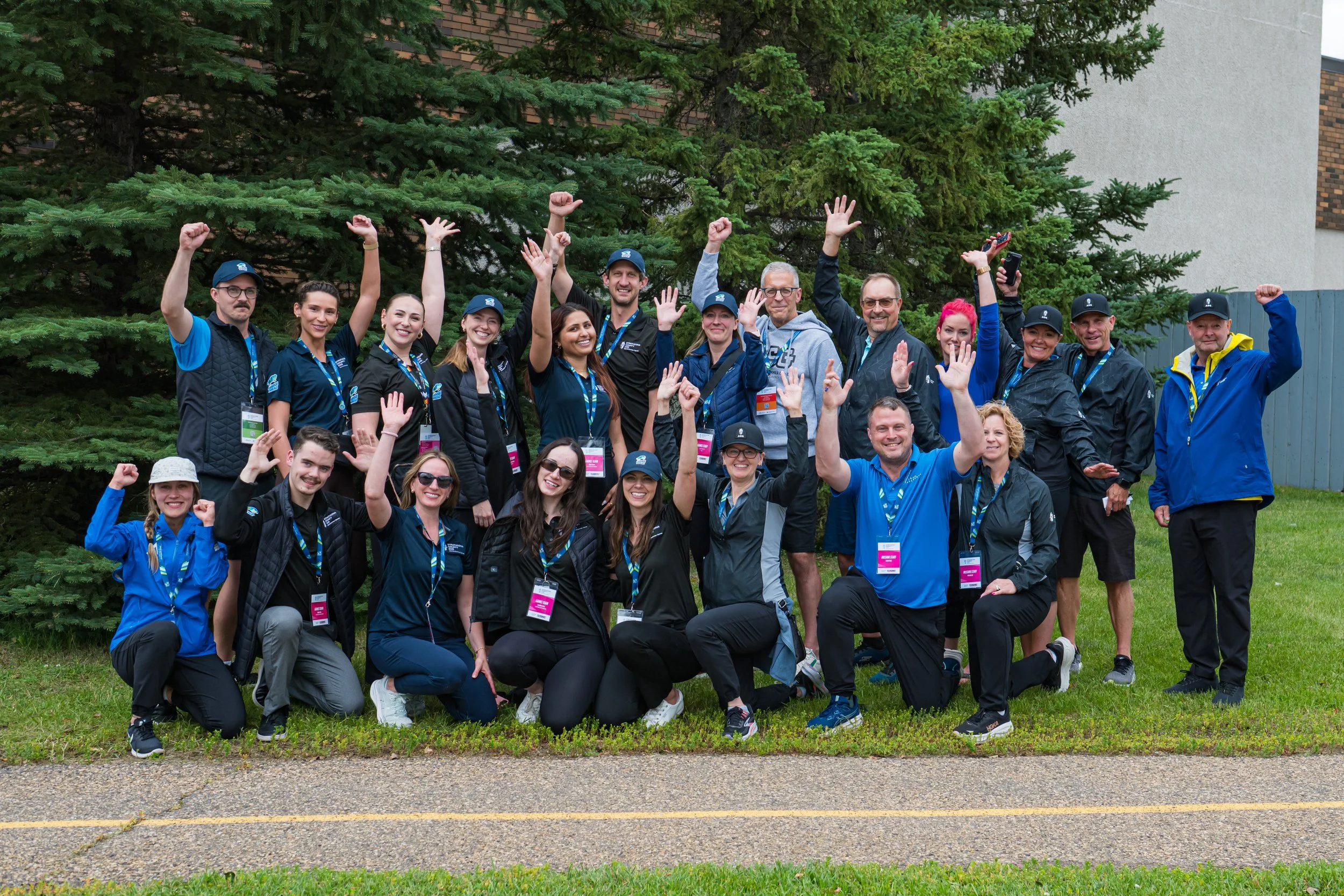

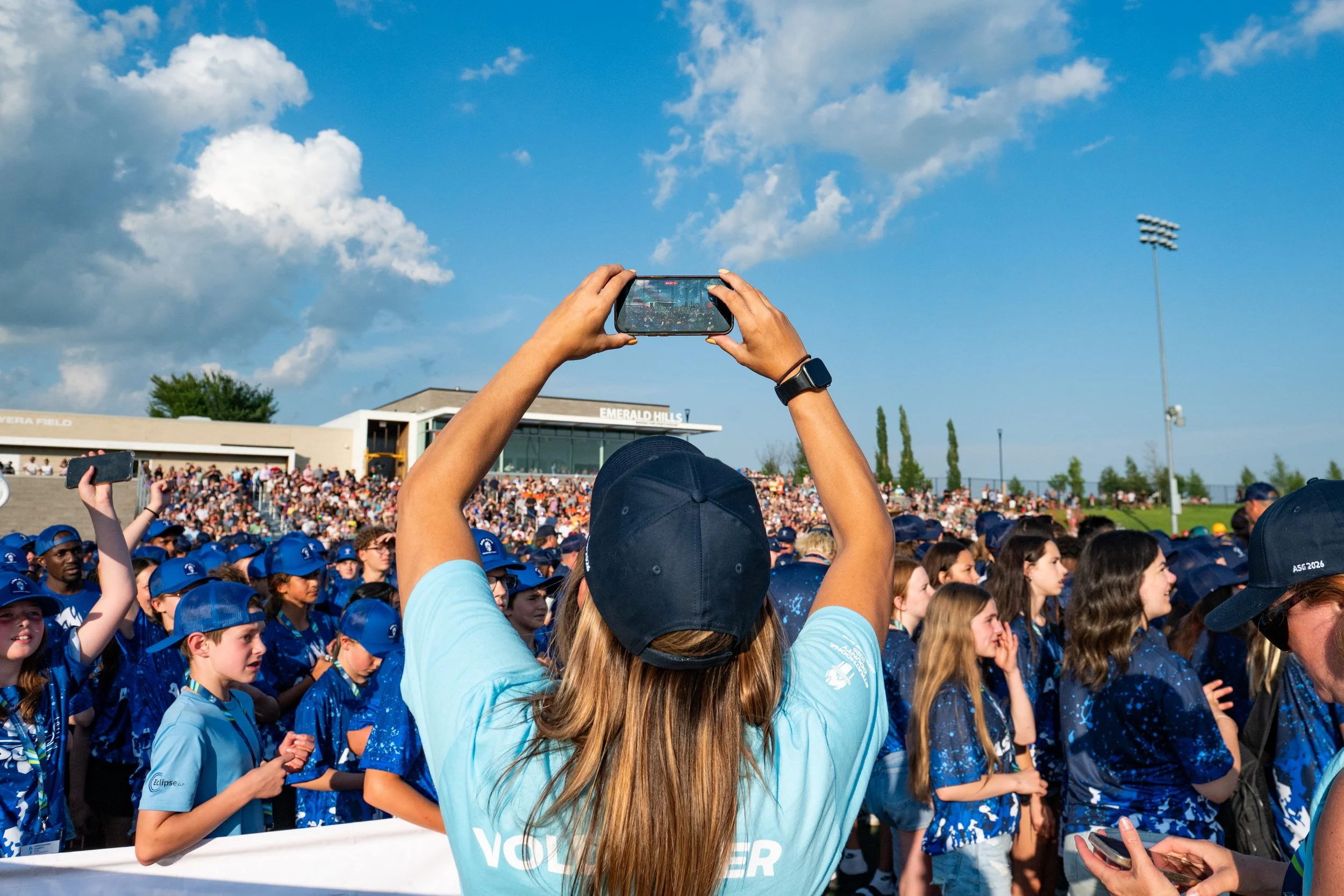
How Infinite Eye Photography combined experience, planning and teamwork to document the 2026 Alberta Summer Games.
The Assignment: Capturing an Entire Games
From July 16th to 19th, 2026, Strathcona County hosted the 25th Alberta Summer Games, welcoming more than 2,200 participants from across Alberta.
Young athletes competed in 13 sports across 19 locations throughout Strathcona County, Edmonton and Fort Saskatchewan.
For Infinite Eye Photography, the assignment presented an exciting opportunity and a considerable logistical challenge.
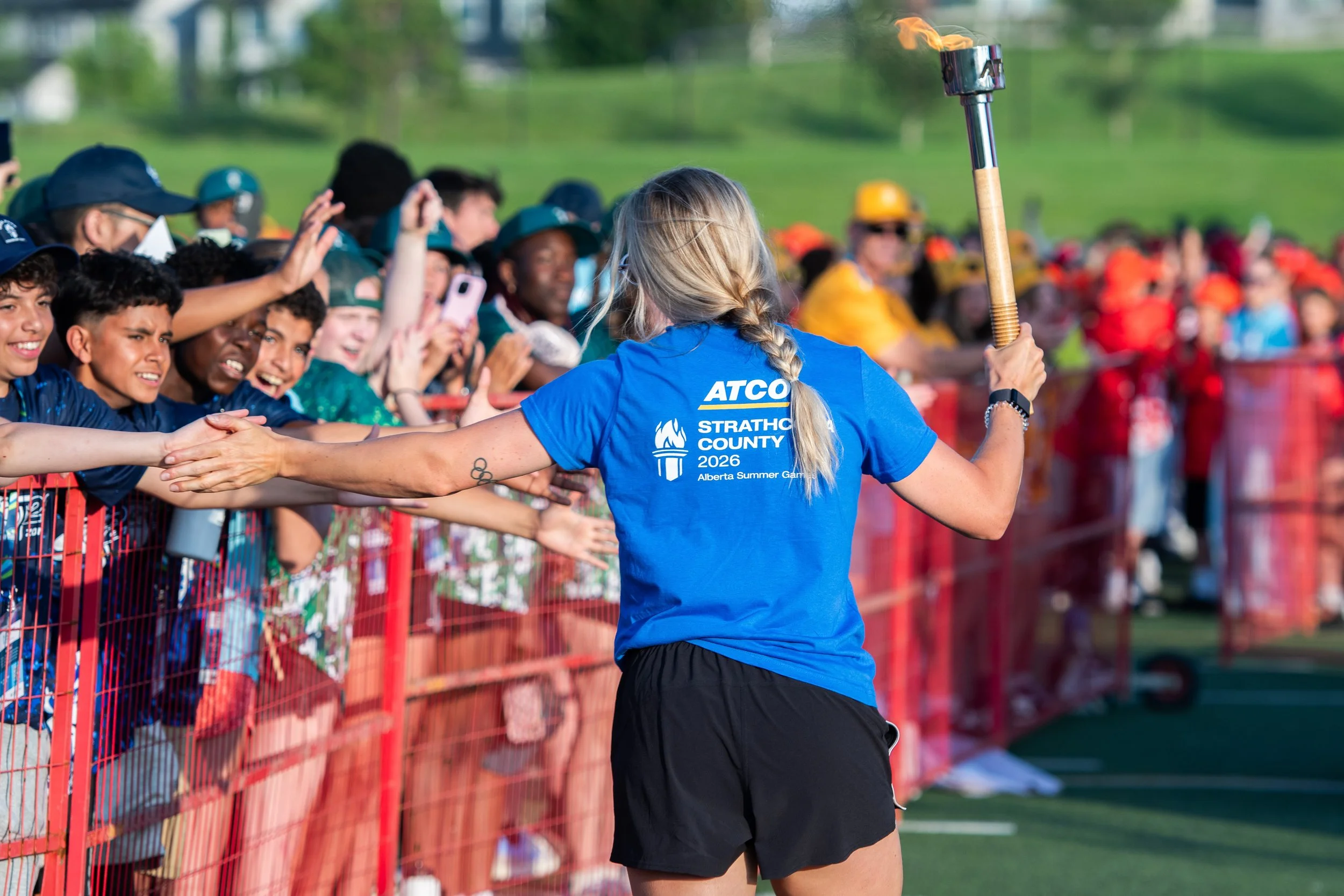
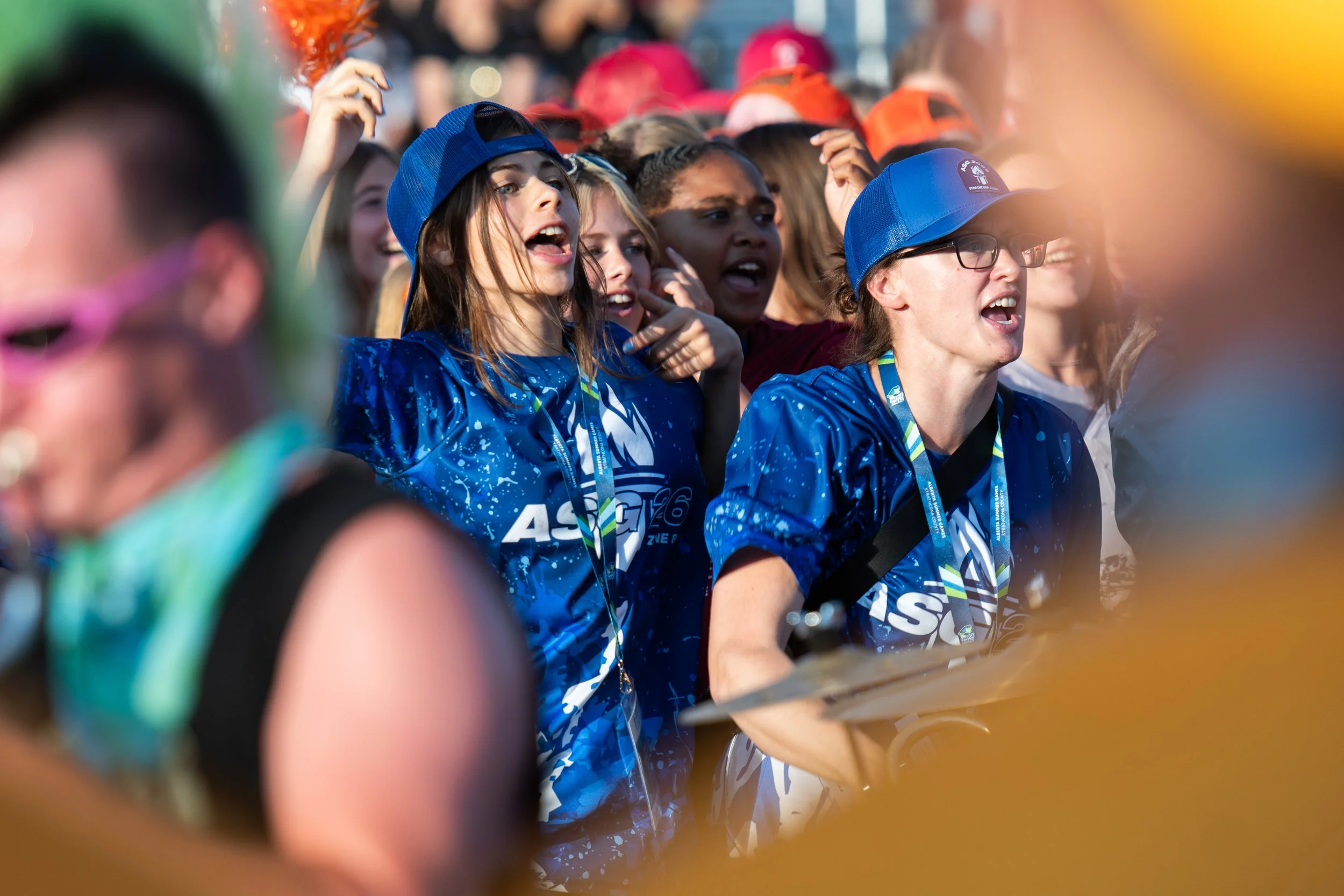
Our responsibility was to capture the Games in their entirety: the competition, the athletes, the spectators, the volunteers, the sponsors, the ceremonies and the atmosphere surrounding this major provincial sporting event which is held every two years.
But capturing the photographs was only part of the assignment.
The organizers had two important delivery requirements:
End-of-day highlights: A selection of outstanding photographs delivered directly to organizers for their daily social media recaps and promotion of upcoming events.
Next-morning public galleries: Professionally edited photographs available for athletes, families, coaches and supporters to view, download and share.
All 13 sports needed coverage each day, with photographers travelling between venues while competitions were underway.
All this, within budget.
Meeting those requirements would take more than photographic talent.
It would take careful planning, experienced people and reliable systems.
The Games by the Numbers
Sports covered 13
Photography locations 19
Days of coverage 4
Games participants 2,200+
Photographers 2
Editors 2
Administrative support 1
Photographs captured 14,155
Photography data generated 291 GB
Finished photographs delivered 5,441
Total kilometres travelled 353 KM’s
Delivery Deadlines Met Every Single One!! :)
Thirteen Sports. Thirteen Different Photographic Challenges.
One of the most demanding aspects of this assignment wasn't simply the number of sports.
It was how different those sports were from one another.
The Games included athletics, baseball, basketball, beach volleyball, canoe/kayak, golf, lacrosse, mountain biking, rugby, soccer, softball, swimming and tennis.
Each sport required a different approach to photography.
Indoor court sports such as basketball present challenges involving lighting, speed, positioning and anticipating the action.
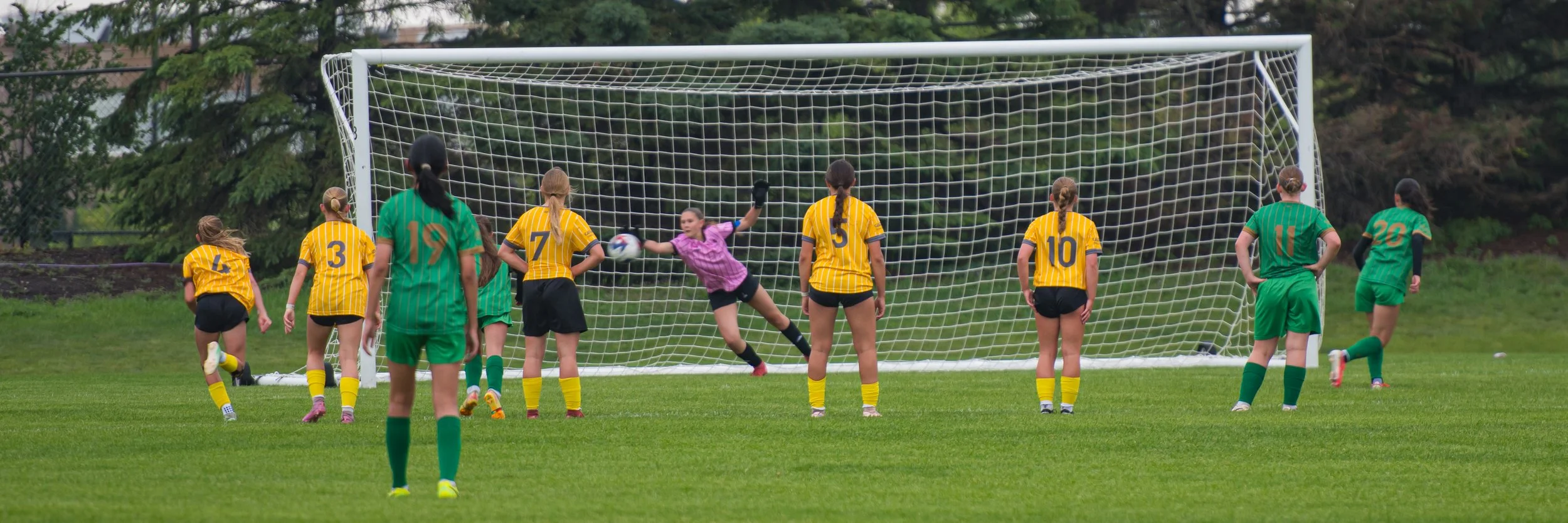
Field sports such as rugby, lacrosse and soccer require photographers to track play across larger areas, recognize developing moments and be ready when the action suddenly changes direction.
These are environments our photographers know well.
But the Alberta Summer Games also included sports where the playing area wasn't conveniently contained within a court or field.
And those created an entirely different level of complexity.
Mountain Biking: Finding the Action in the Woods
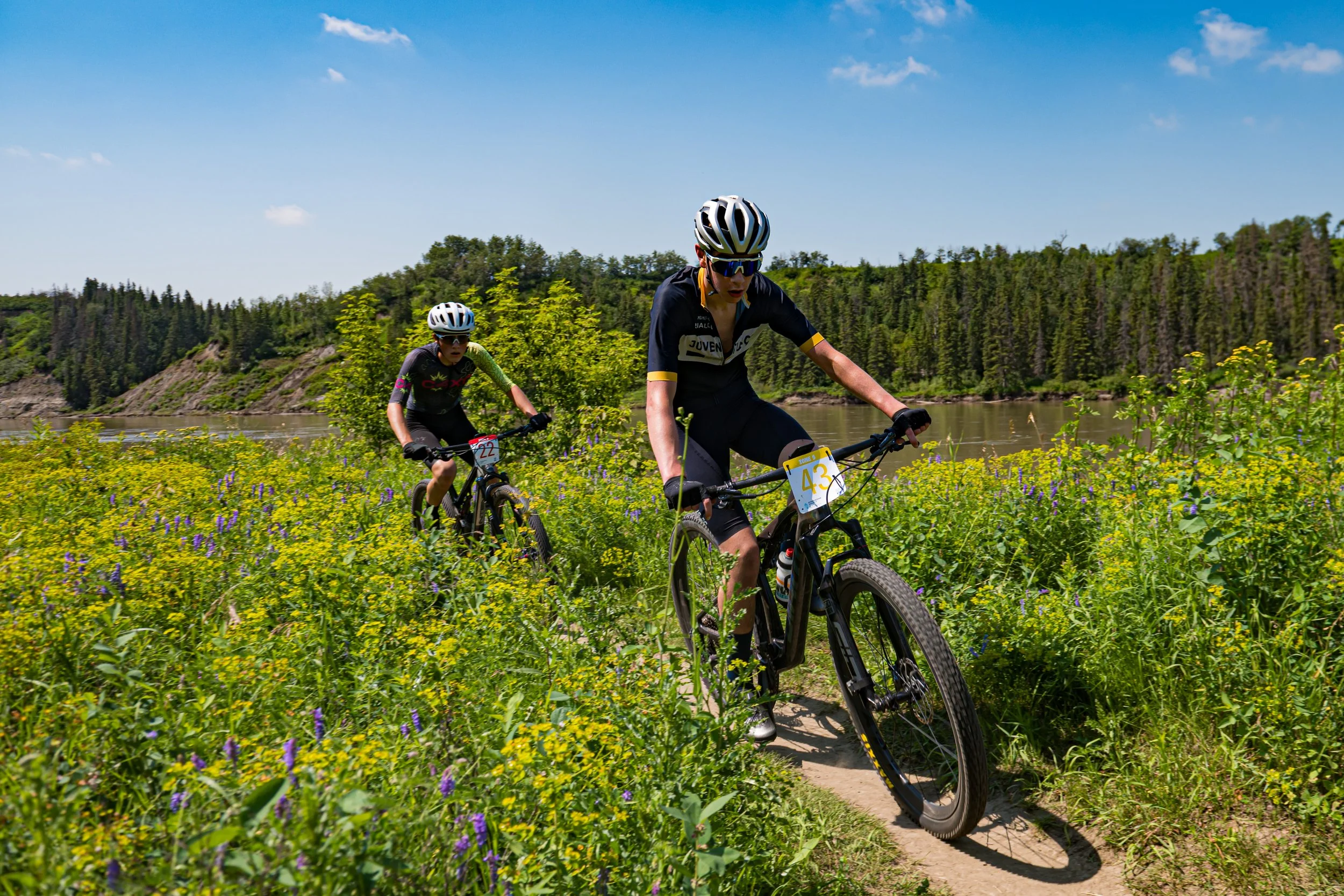
Mountain biking was one of the more physically demanding sports to photograph.
Competitors raced along trails through wooded areas near the river. Unlike a traditional field sport, there wasn't one convenient sideline where a photographer could stand and capture everything.
Getting the right photograph meant understanding the course, finding suitable shooting positions and navigating between them.
There weren't dedicated photographer access trails. Our team had to assess the available routes and find ways to reach appropriate positions while competition was underway.
And there was an important rule we followed throughout the Games -
Don't become part of the action.
It's something we regularly reinforce at Infinite Eye.
Our job is to document the competition, not interfere with it.
That means respecting athletes, officials and competition areas while finding positions that allow us to capture compelling photographs safely.
Mountain biking required a combination of physical effort, course awareness, patience, timing – and dealing with biting mosquitoes.
Sometimes getting the photograph was almost as challenging as taking it.
Canoe/Kayak: Photographing Action Across the Water
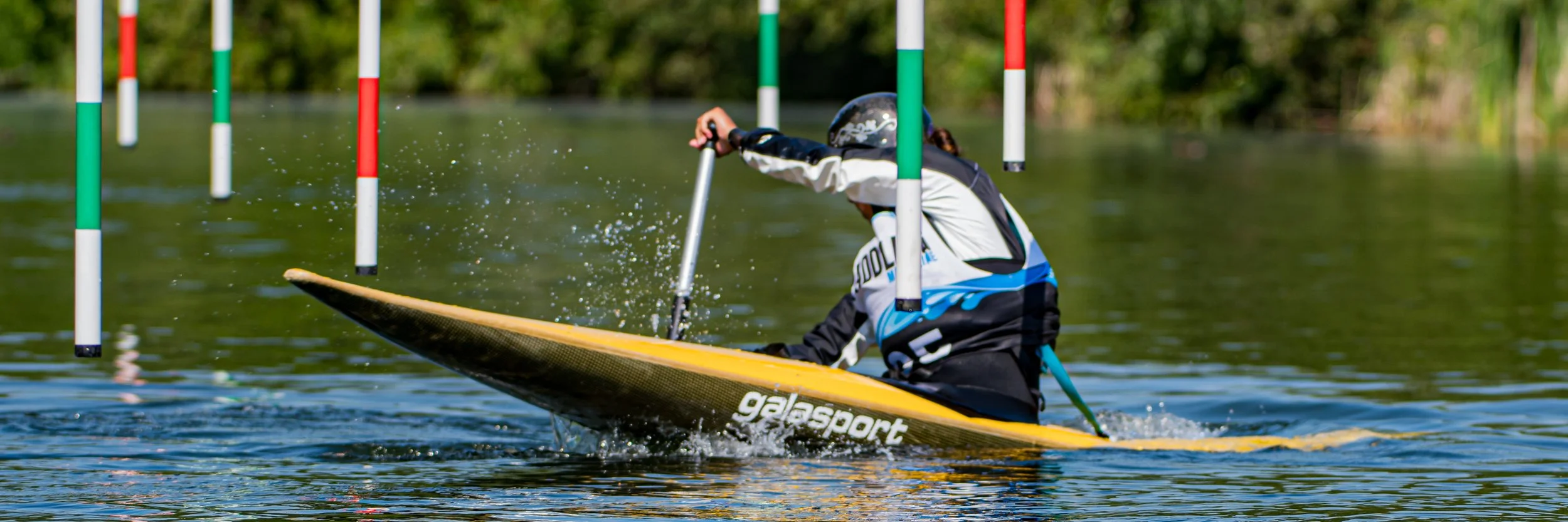
Canoe/kayak presented another set of challenges.
The competition took place at Rundle Park in Edmonton, where athletes raced on the water, often at considerable distances from the shoreline.
Photographing water sports requires long lenses to zoom in on the action, carefully selected viewpoints and an understanding of how the action will develop.
Our photographer worked from different positions around the shoreline to capture the athletes' effort, determination and movement.
Unlike a court sport, you can't simply walk closer when the action moves away.
You need to plan your position and have the equipment and experience to make the most of it.
Golf: A Different Kind of Anticipation
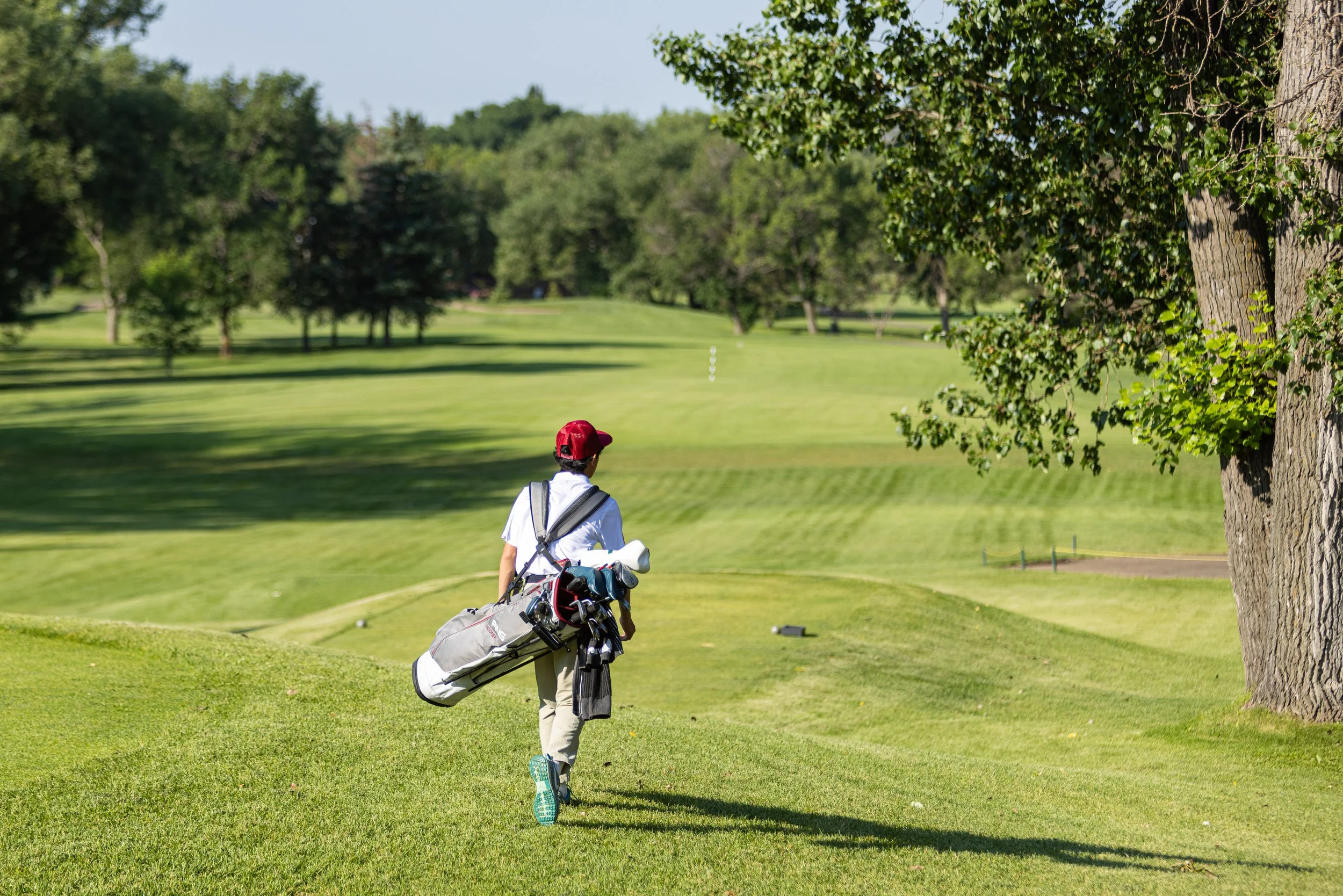
Golf presented its own challenges.
Players were spread across a large course, requiring us to travel between locations and anticipate where worthwhile moments would happen.
Golf photography also requires considerable awareness of the athletes and their surroundings.
Positioning is critical, both for capturing the right photograph and for staying clear of play.
You certainly don't want to be standing in front of someone's drive!
Beyond the distances involved, golf demands patience and an understanding of the sport. Sometimes the most important photographic moment lasts only a fraction of a second.
These three sports demonstrate why photographing a multi-sport event requires much more than simply moving from one venue to another.
Every sport has its own rhythm, its own challenges and its own story to tell.
Planning Before the First Photograph
Long before the opening ceremonies, Infinite Eye worked with the organizers (Strathcona County) to understand the photography requirements.
Through a series of planning meetings, we developed a detailed shoot list identifying the moments, sports, activities and people the organizers wanted documented.
That included competition coverage, sponsorship recognition, signage, ceremonies, awards, volunteers, spectators and the overall Games experience.
We reviewed the schedule, identified potential conflicts and developed a master plan for photographer assignments and travel between locations.
With only two photographers covering 19 locations, every decision mattered.
We needed to account for distances between venues, overlapping competitions, the time required to reach shooting positions and the different photographic demands of each sport.
Both photographers understood their assignments and the overall objectives.
They also had the experience and independence to make decisions when circumstances changed.
This is an important part of how Infinite Eye approaches major events.
We don't simply hand photographers a schedule and hope everything works out.
We develop a coordinated plan, establish clear priorities and trust experienced people to execute it.
From Hot, Dry Conditions to Heavy Rain
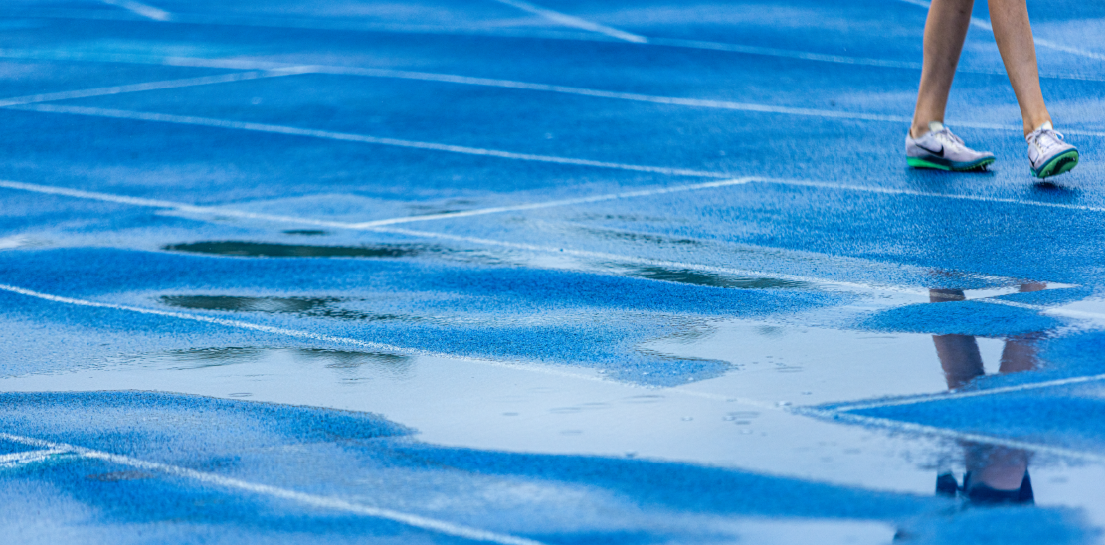
Outdoor sporting events introduce one variable that no organizer or photographer can control: the weather.
For much of the Alberta Summer Games, conditions were hot and dry.
Those conditions created their own challenges, particularly for photographers working outdoors and moving between venues throughout the day.
As the Games progressed, the weather changed.
Rain arrived, affecting outdoor competitions and creating schedule disruptions, particularly on the final day.
For our photographers, that meant adjusting carefully planned routes, protecting equipment from wet conditions and moving between very different shooting environments.
One photographer could be outside covering beach volleyball in the rain and then move indoors to photograph basketball, arriving with wet clothing and equipment that needed attention.
The rain also meant that some outdoor competition schedules changed.
We had anticipated that possibility during our planning.
Rather than treating the original schedule as something that could never change, our photographers understood the overall priorities and adjusted their coverage as required.
We were fortunate that the revised routes didn't require navigating muddy trails in the worst weather, but equipment protection, changing conditions and revised schedules still needed to be managed.
Throughout those changes, our focus remained the same: capture the Games and meet the delivery commitments.
Good planning doesn't eliminate the unexpected. It gives you the ability to respond when it happens.
Sports Photography and Event Photography: Two Skills Working Together
Capturing the Alberta Summer Games required two complementary photographic disciplines.
Sports action photography is about anticipation.
A photographer needs to recognize what is about to happen, follow the action and capture the decisive moment.
You can't wait until something exciting happens before raising your camera.
By then, the moment is often gone.
Event photography requires a broader awareness.
While athletes compete, stories are unfolding everywhere.
A nervous parent watching from the sidelines. A coach offering encouragement. Teammates celebrating. A volunteer helping an athlete. Spectators reacting to a close finish.
Those photographs help tell the story of the event just as much as the action itself.
Our photographers were responsible for both.
We needed to capture outstanding sporting action while remaining aware of the people, emotions and details surrounding the competition.
That included sponsorship photographs, event signage, opening and closing ceremonies, awards and the overall atmosphere.
Our philosophy is that great event photography doesn't just show what happened. It tells the story of what it felt like to be there.
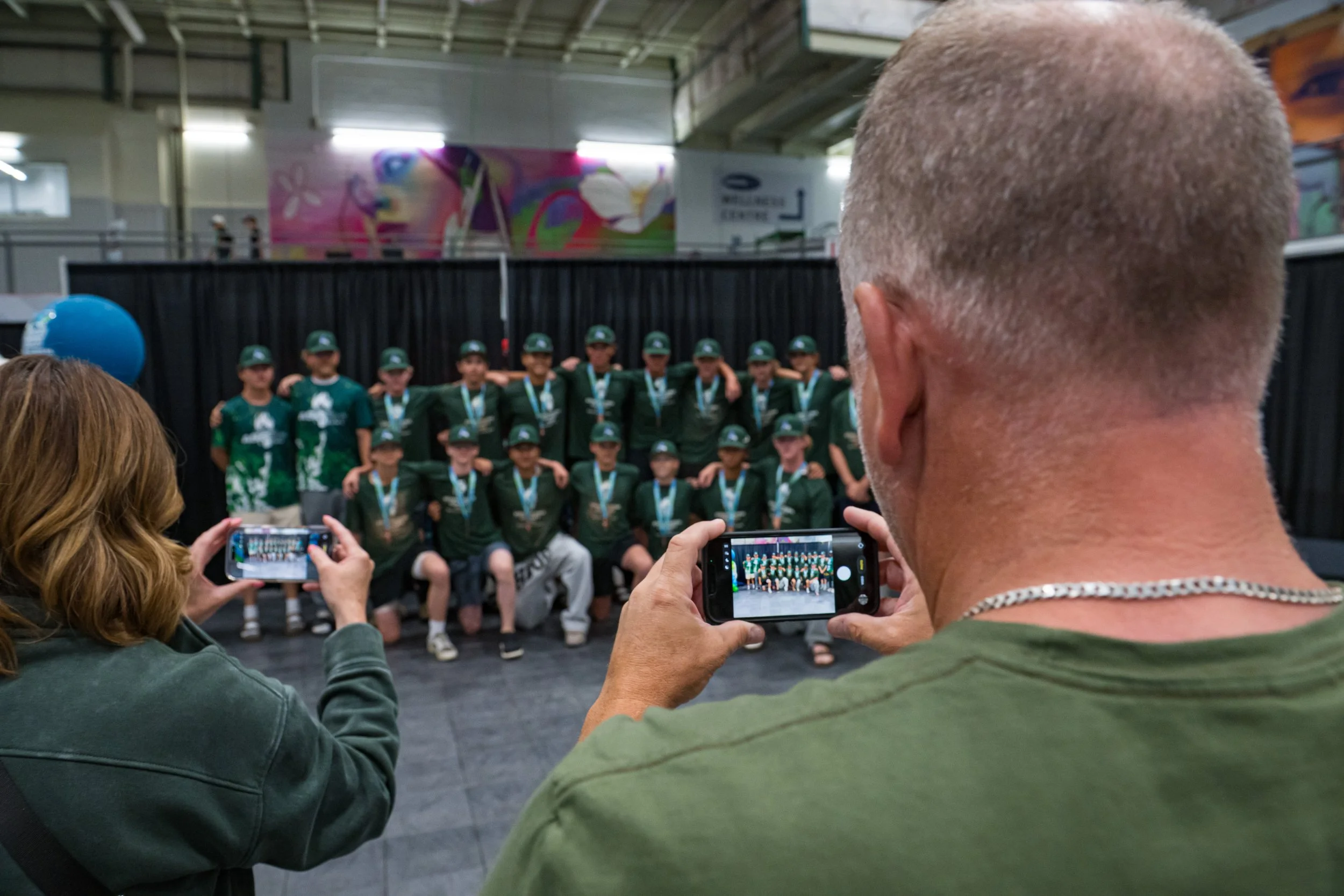
Behind the Scenes: Managing 14,155 Photographs
While our photographers were working across the Games, our editing team was managing another substantial part of the assignment.
Over four days, we captured 14,155 photographs, generating approximately 291 gigabytes of image data.
That's a significant amount of information to transfer, organize, review, edit and deliver on a demanding schedule.
For Infinite Eye, however, high-volume photography is a familiar part of our work.
Through years of photographing sports tournaments and large events, we've developed internal systems designed to handle thousands of images efficiently.
For the Alberta Summer Games, two experienced editors worked through the photographs, selecting the strongest images and preparing them for delivery.
That selection process is an important part of professional sports photography.
Not every image is a keeper.
Sometimes the timing isn't right. Sometimes a photograph is slightly out of focus. Sometimes several images capture essentially the same moment, but one stands out.
Our editors review those photographs carefully, removing unsuccessful images and choosing the strongest examples.
It's a skill developed through experience, understanding what makes an image compelling and recognizing the photographs people will be excited to receive.
The result was 5,441 professionally edited photographs, representing the athletes, the competitions and the wider Games experience.
Two Delivery Streams. Every Deadline Met.
The organizers needed photographs quickly, but for two different purposes.
Daily Highlights for the Organizers
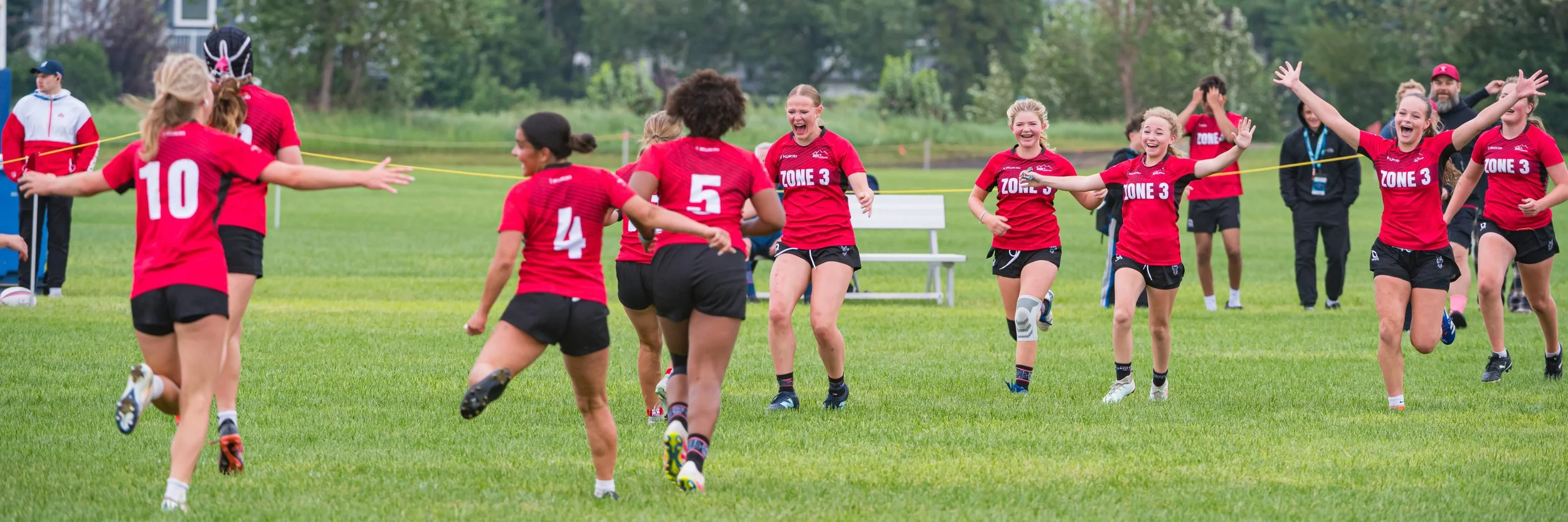
At the end of each competition day, our editing team identified outstanding images and delivered them directly to the organizers.
These photographs supported daily social media recaps, event communications and promotion of upcoming activities.
The organizers could share the excitement of the Games while that excitement was still happening.
Next-Morning Public Galleries
The larger collection of professionally edited photographs was delivered through the Games' approved public gallery system.
This wasn't our usual gallery platform, so our team needed to learn its workflow and incorporate it into our established editing and delivery process.
Once integrated, the system worked well.
By the following morning, the edited photographs were available for athletes, families, coaches and supporters to view, favourite, download and share.
The daily highlight images were also included in the public collection, and organizers could access additional gallery photographs for their communications.
We hit every next-morning delivery deadline, without exception.
That reliability was one of the organizers' most important requirements.
And it produced one of the most rewarding outcomes of the assignment.
People were already seeing and sharing the photographs while the Games were still underway.
A Photographer's Perspective: Why These Moments Matter
Jason O'Donnell, Owner and Photographer, Infinite Eye Photography
As one of the two photographers covering the Games, I had the opportunity to photograph a remarkable variety of sports.
Two experiences stood out for me.
The first was canoe/kayak.
I have been a Paddler for years. Although I was never a competitive racer, canoeing has always been something close to my heart.
So getting the opportunity to photograph these young athletes at the Rundle Park Ponds was particularly special.
With the right lenses and careful positioning along the shoreline, we were able to capture the effort and determination of athletes competing out on the water.
It's a sport that isn't always easy to photograph, which made the opportunity even more enjoyable.
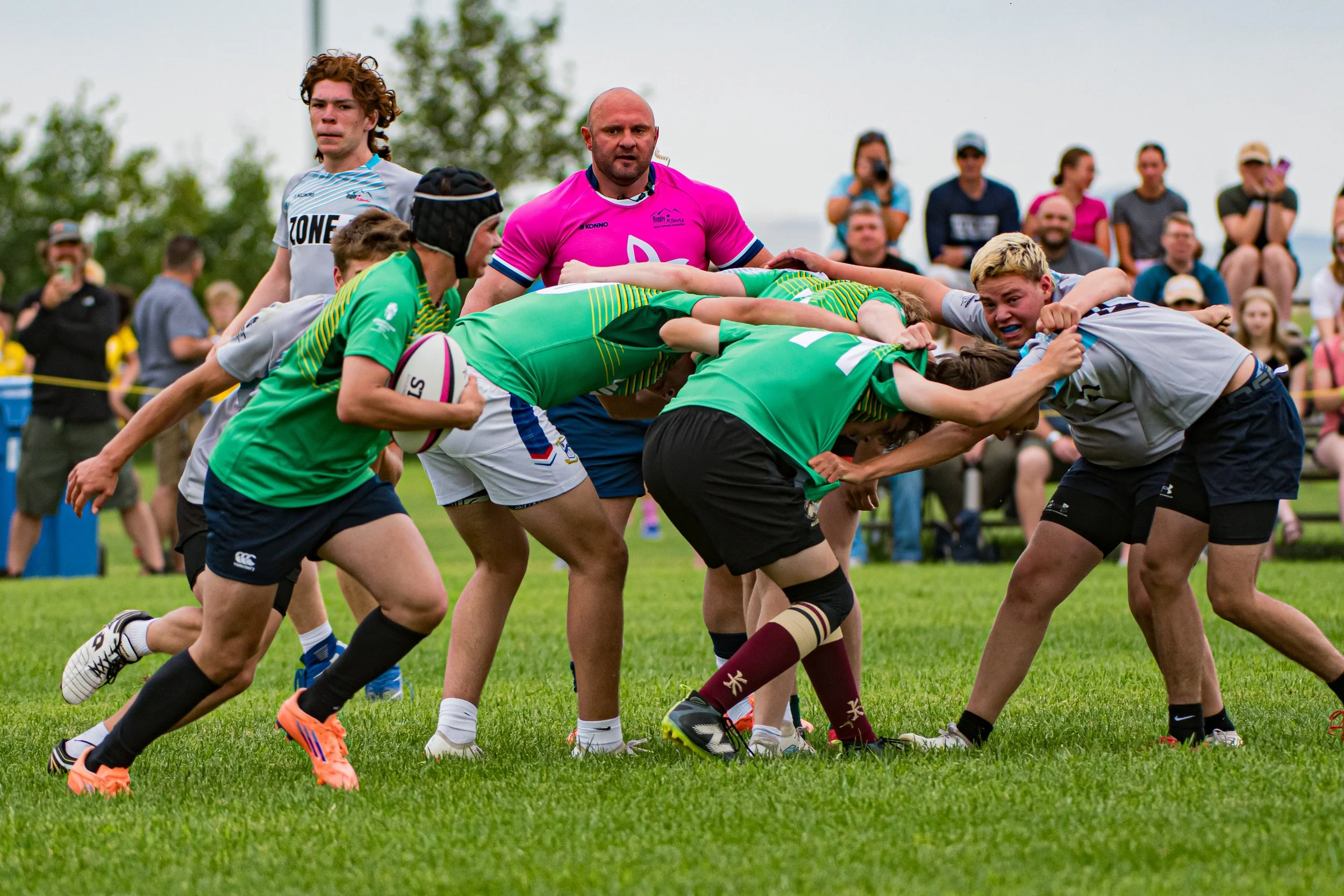
Rugby was another highlight. I played Rugby for many years including highschool and mens league. Love it! So shooting Rugby here took me back. Using my extreme telephoto lens, I could photograph players from considerable distances while creating images that felt as though we were right in the middle of the action.
Looking through the viewfinder, it sometimes felt like I were right inside the ruck with the players.
But one of my favourite moments happened away from the action with one of the Canoe athletes.
On the second day, a young athlete approached me and asked if I had photographed him the day before.
When I said yes, he told me how much she loved the photographs.
That was a wonderful moment.
It demonstrated that our work was already reaching the people it was meant to celebrate.
The photographs weren't waiting until the Games were finished. Athletes were seeing themselves, sharing their experiences and enjoying those memories while the event was still happening.
For me, that was one of the most meaningful results of the entire assignment.
The Results: Experience, Planning and Teamwork
The 2026 Alberta Summer Games were one of our more complex multi-sport assignments.
It brought together a wide variety of photographic disciplines, difficult outdoor environments, changing weather, significant travel requirements and demanding delivery deadlines.
Over four days, our team successfully:
Covered all 13 sports across 19 locations.
Photographed competition, ceremonies, awards, sponsors, volunteers, spectators and event atmosphere.
Captured 14,155 photographs, generating 291 GB of data.
Delivered 5,441 professionally edited photographs.
Provided daily highlight selections for the organizers' communications.
Made edited public galleries available by the following morning, every day.
Adapted to weather-related disruptions and schedule changes.
Met every agreed photography and delivery commitment.
And most importantly, we made people smile :)
The organizers were extremely pleased with the quality of the photographs and the reliability of our delivery throughout the Games.
From the Organizers
One of the most rewarding parts of an assignment like the Alberta Summer Games is hearing how the photographs were received. Our goal was to deliver more than great action shots. We wanted to capture the excitement, the people and the moments that made the Games special, while giving organizers and participants access to those memories as quickly as possible.
Following the Games, we received this message from Sara Michaels, Sponsorship and Promotional Events Coordinator for the 2026 Alberta Summer Games:
And a MASSIVE thank you for everything you did for the Games. We’ve heard nothing but positive feedback about the photos, and I’ve had so much fun looking through them all. There are so many incredible shots to choose from...
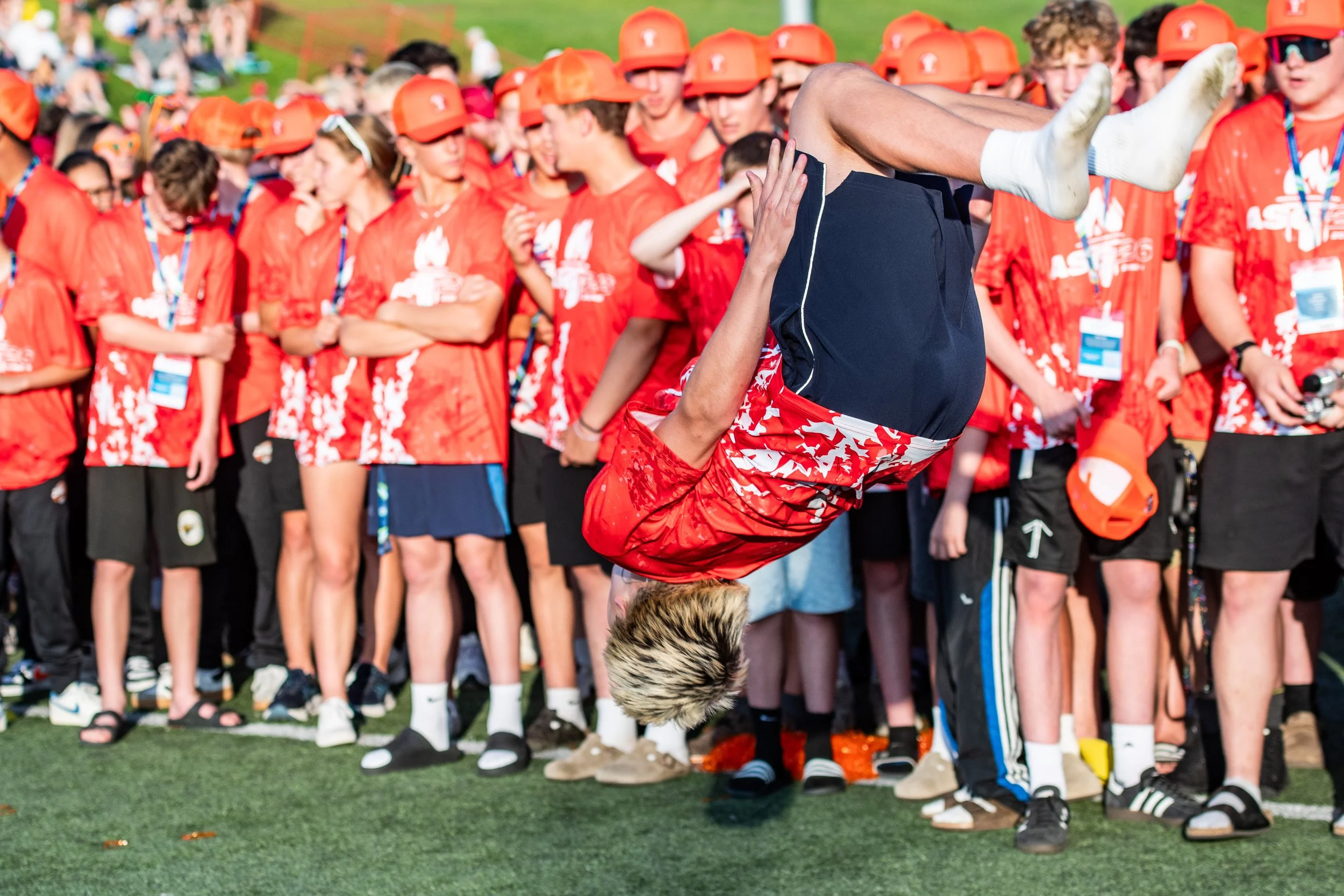
You captured the excitement and energy of the athletes just perfectly throughout the weekend. Your photos truly helped tell the story of the Games and preserve so many special moments.
We can't say thank you enough!
— Sara Michaels
Sponsorship and Promotional Events Coordinator
2026 Alberta Summer Games
For our team, feedback like this means a great deal. Behind every photograph were hours of planning, photographers working across multiple venues and editors making sure the images were ready when they were needed.
Knowing that the organizers were pleased, that athletes and families were enjoying their photographs, and that our images helped tell the story of the Games made all that work worthwhile.
What Made It Possible?
We're proud of what our team accomplished at the Alberta Summer Games.
Not simply because of the number of photographs taken or the number of locations covered, but because of the complexity of the assignment and how successfully our team managed it.
This wasn't an event where photographers could remain in one building and move between neighbouring courts.
It required travelling between communities, navigating wooded trails, photographing athletes on the water, covering a golf course, working through changing weather and switching between very different photographic disciplines.
At the same time, thousands of images needed to be processed and delivered on schedule.
That kind of assignment requires experience.
Our team has built that experience over years of photographing sporting events, tournaments and increasingly complex assignments.
We've learned what works, developed systems that support our photographers and editors, and built a team we trust to make decisions in the field.
Planning was essential.
But planning alone wasn't enough.
It was the combination of experience, preparation, trusted photographers, skilled editors and coordinated execution that made the assignment successful.
That's what we're most proud of.
Your Event Deserves a Bigger Audience
The Alberta Summer Games is an excellent example of what professional photography can accomplish when it's treated as an important part of an event's communications strategy.
The images didn't simply document what happened.
They helped organizers share the excitement of the Games, recognize participants and sponsors, and give thousands of athletes, families and supporters photographs they could enjoy and share.
Whether you're planning a major sporting competition, a conference, a convention or a multi-location event, the same principles apply.
You need photographers who understand the assignment, systems that support the work and a team that can deliver when it matters.
At Infinite Eye Photography, that's what we do.
Photos that do more.
Explore Conference & Event Photography